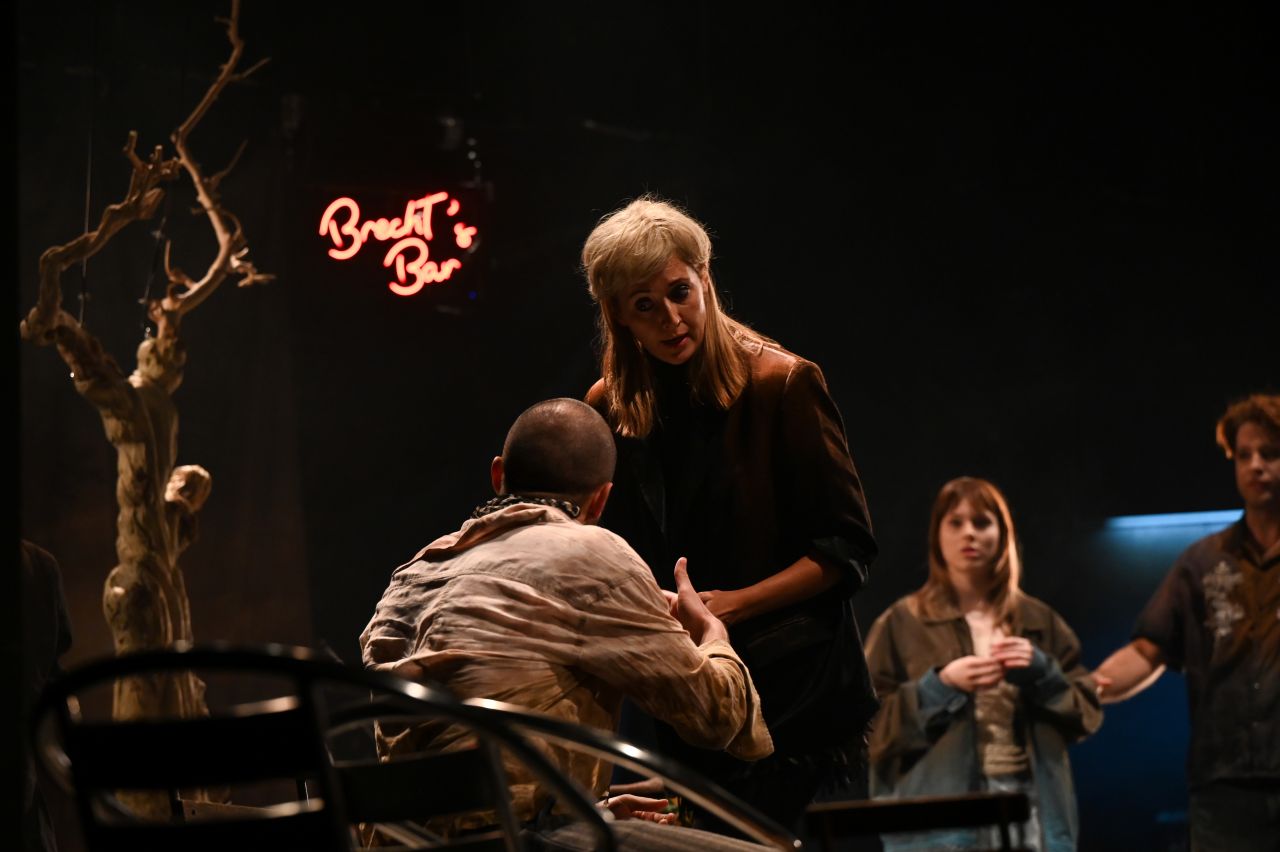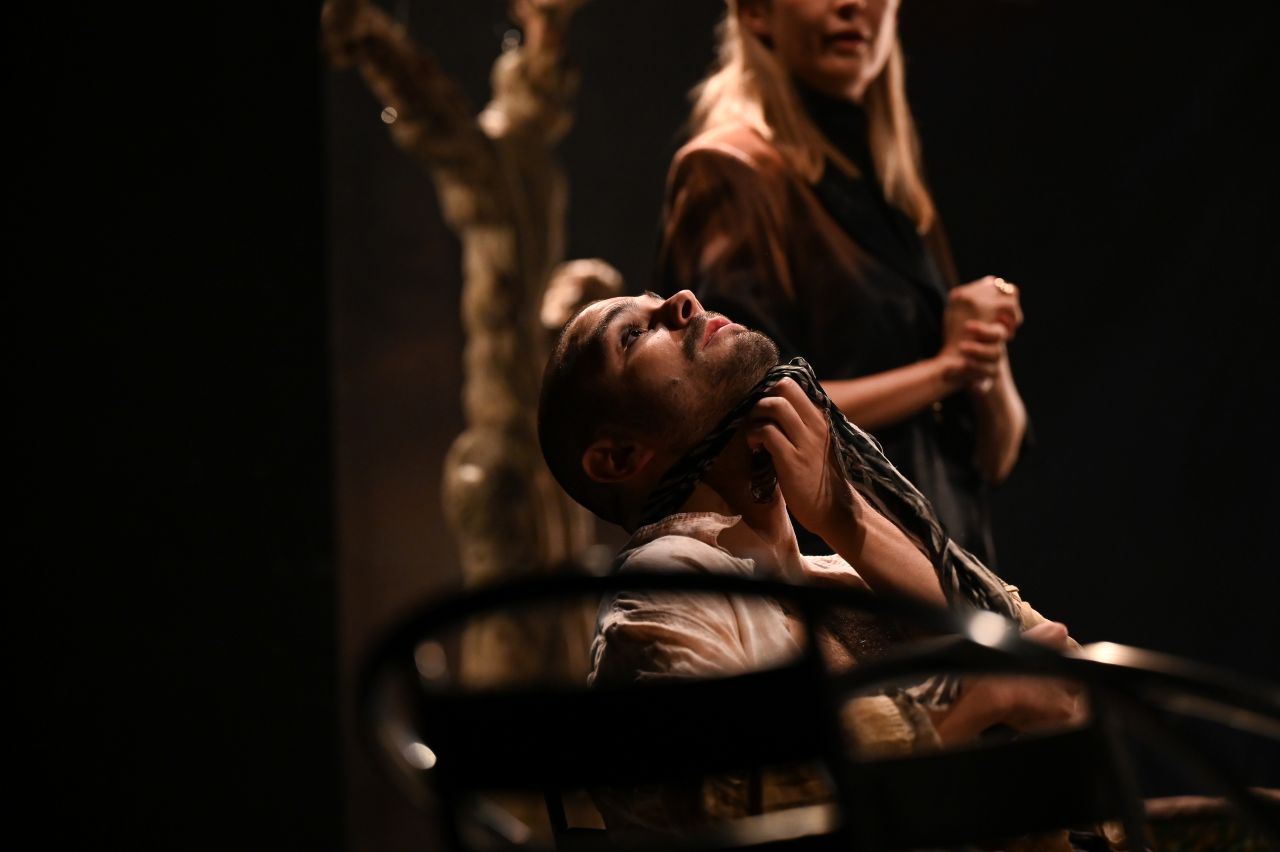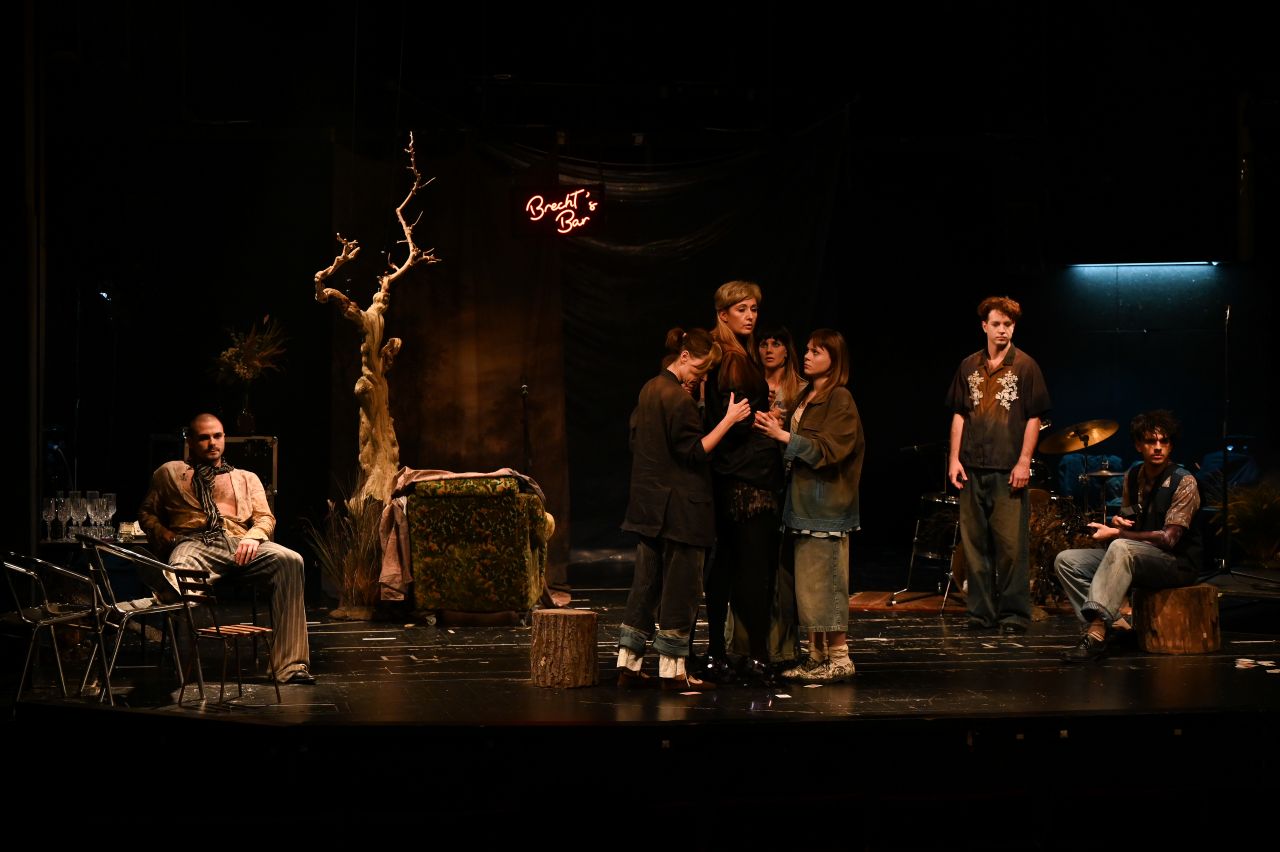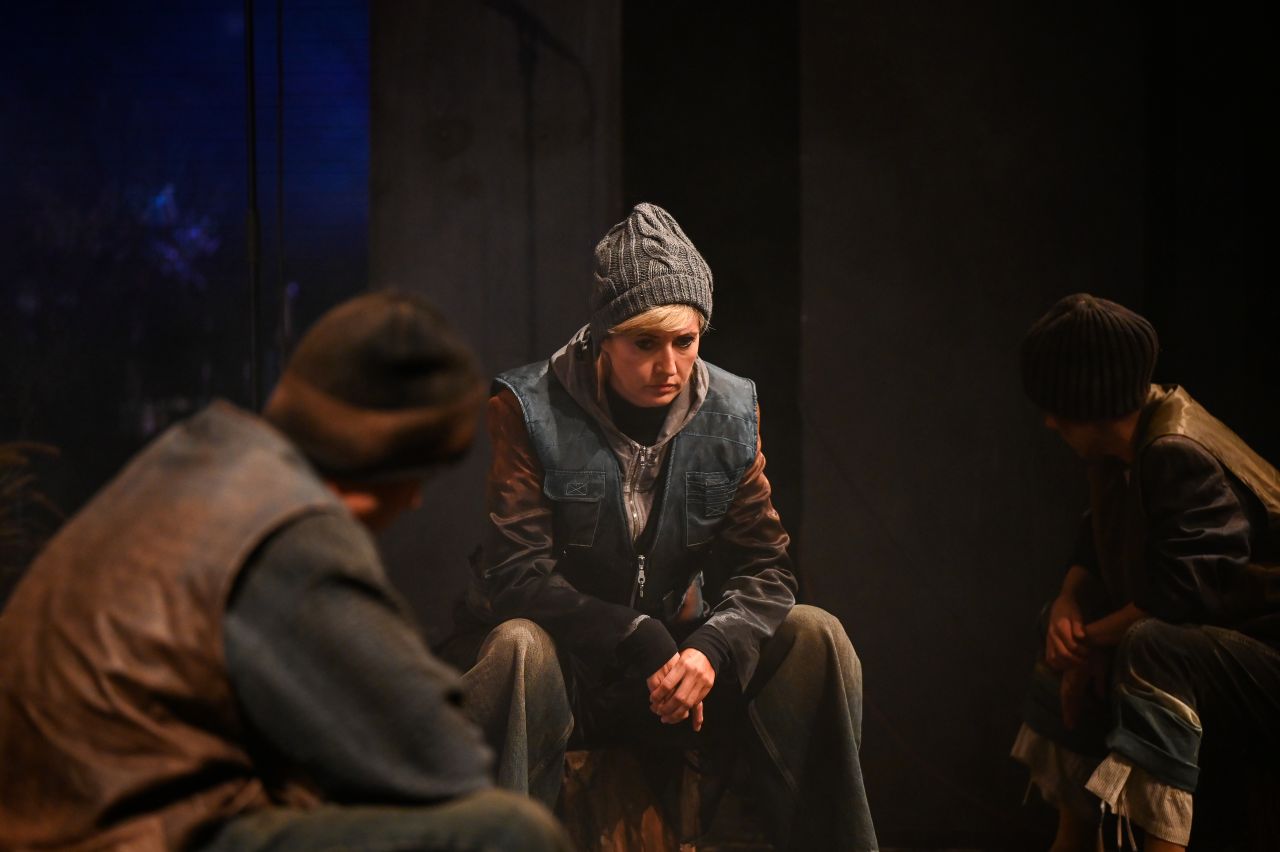
BAAL
Premier date: 02.10.2026.
 Duration: 105′
 Evening Stage
BAAL
Premier date: 02.10.2026.
Duration: 105′
Evening Stage
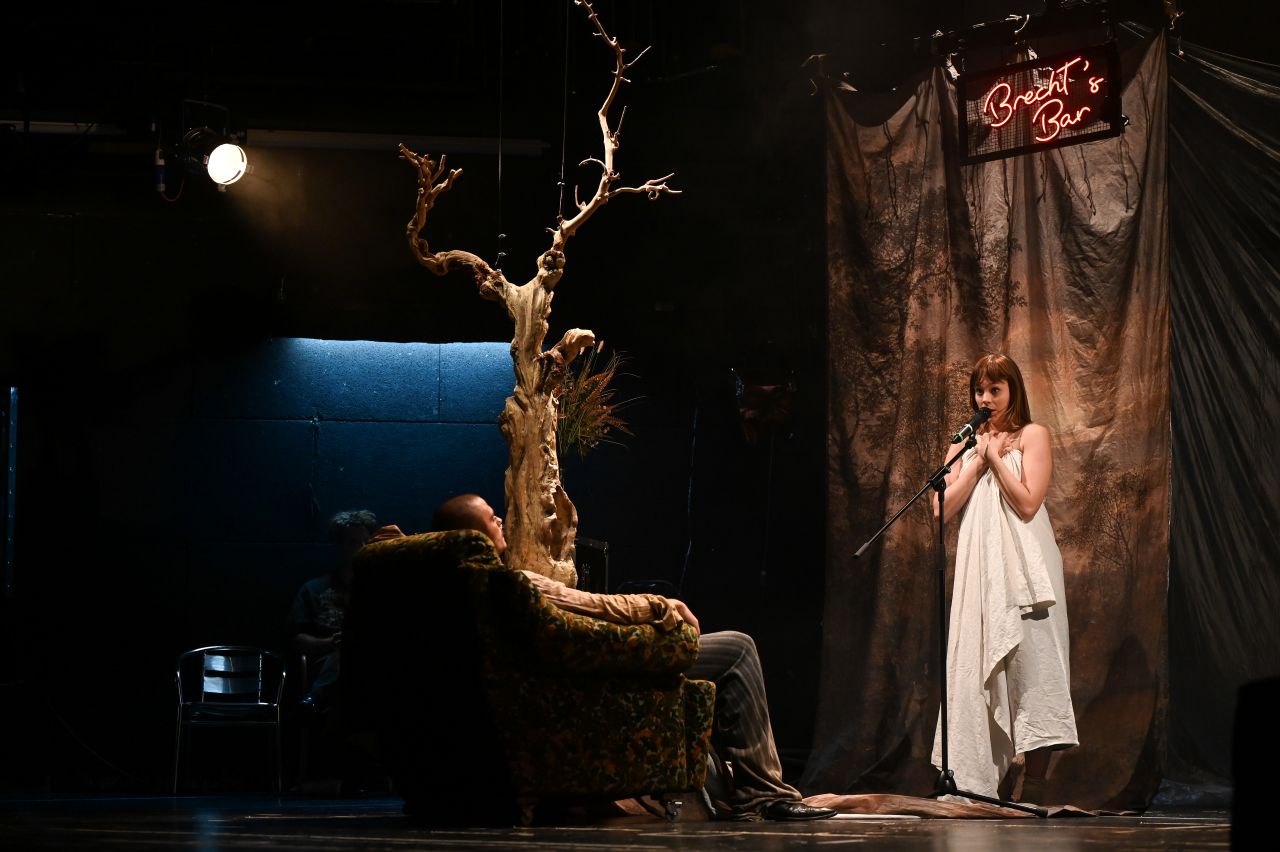
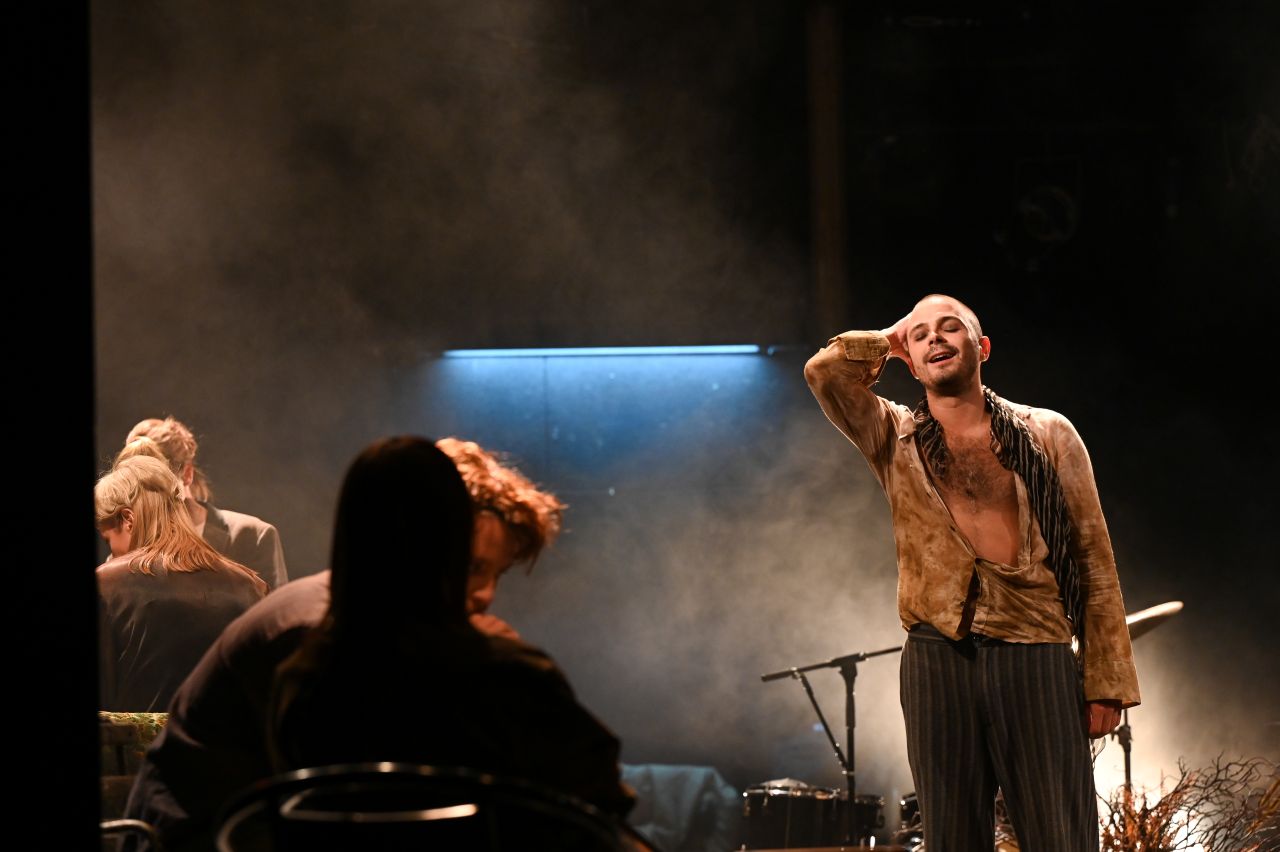
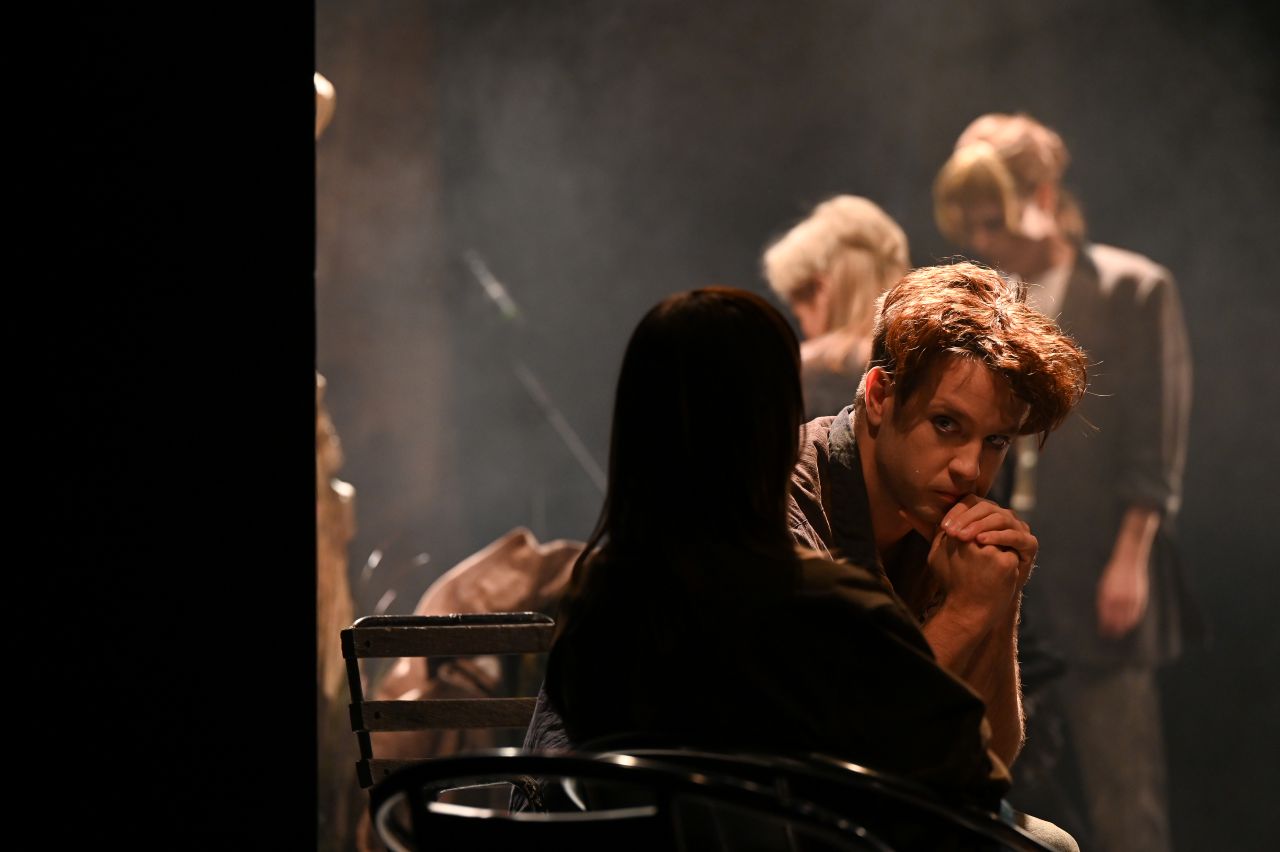
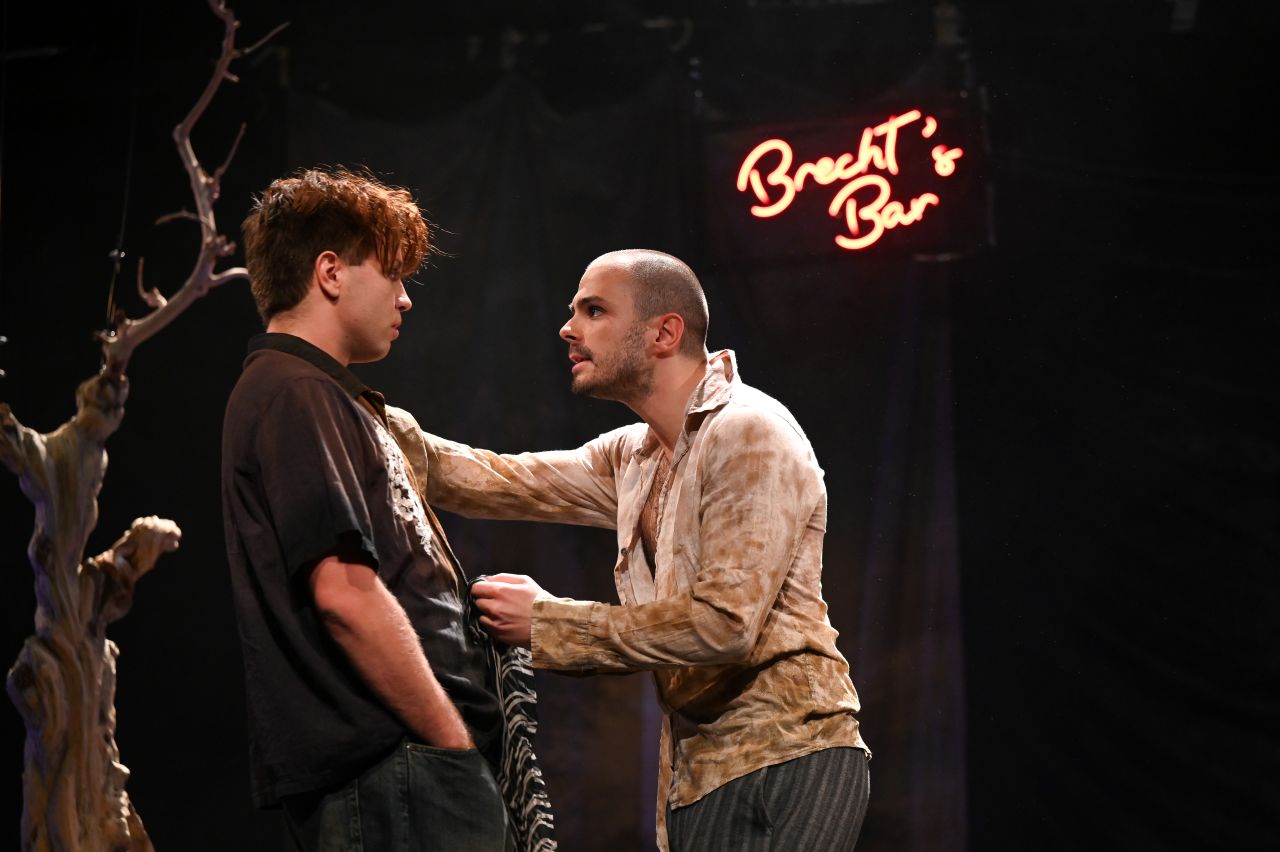
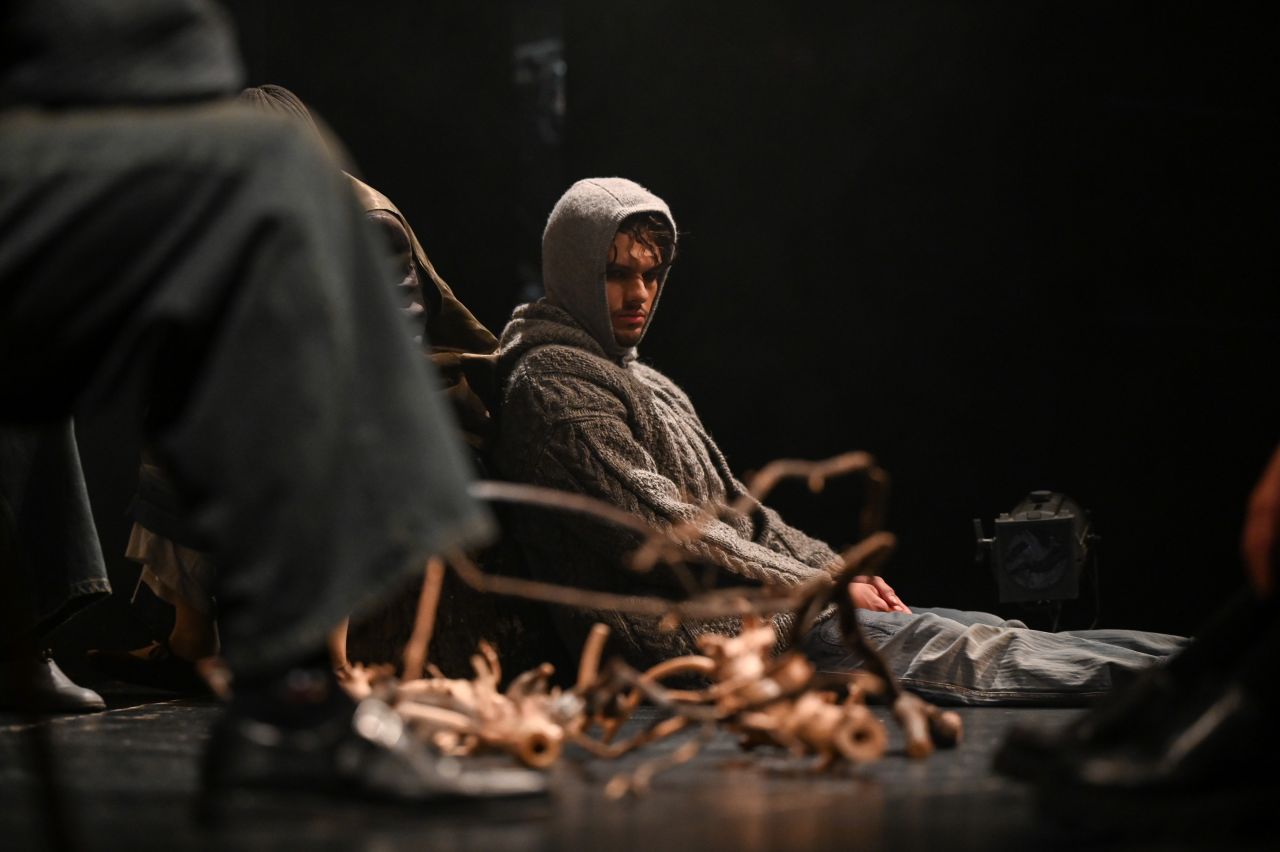
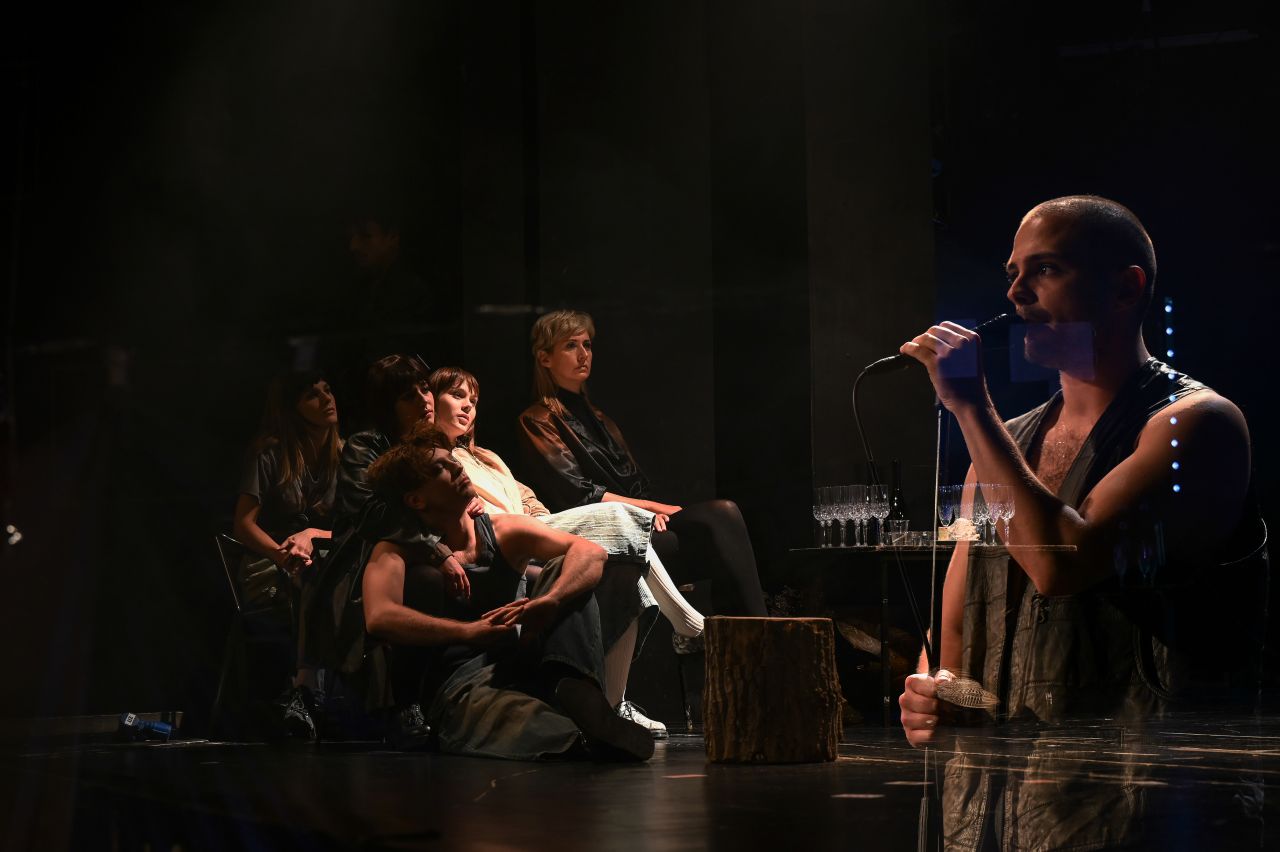
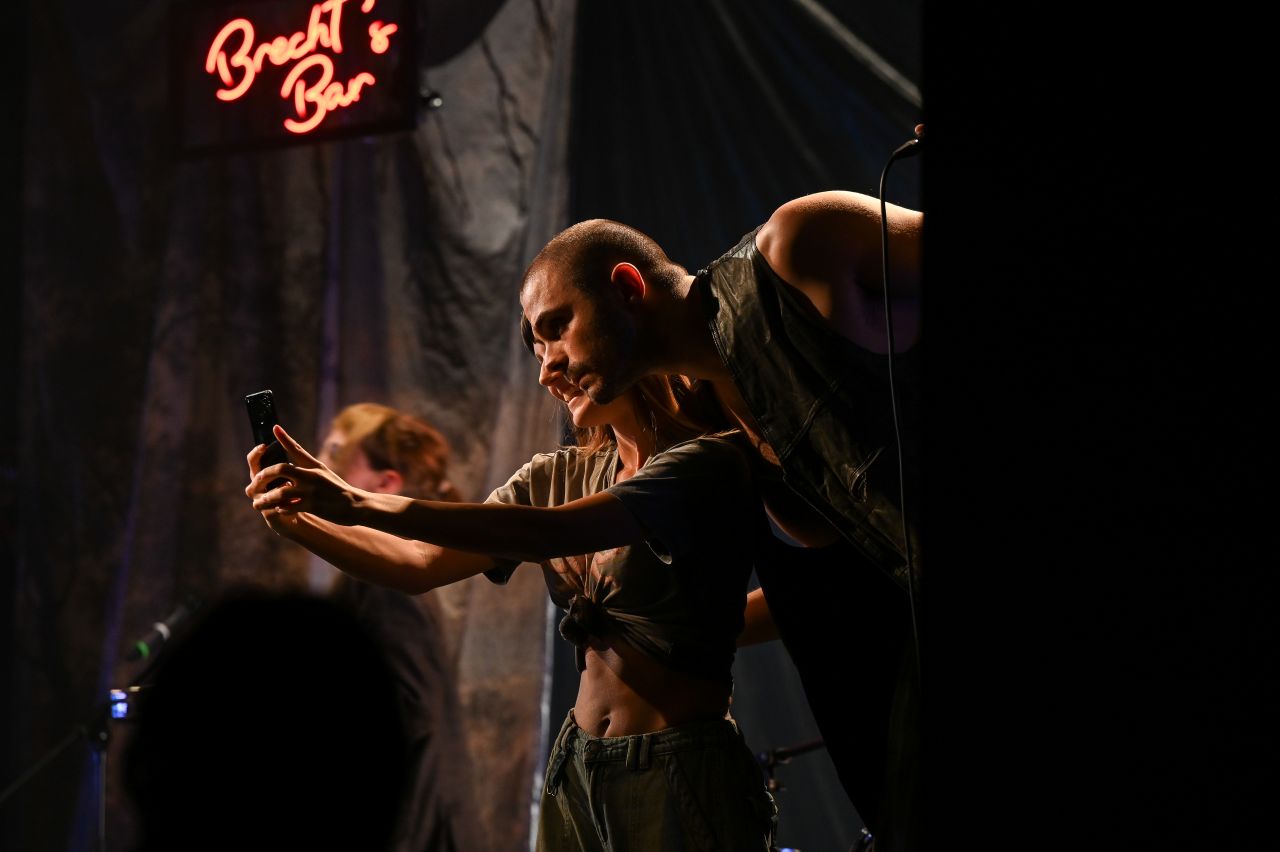
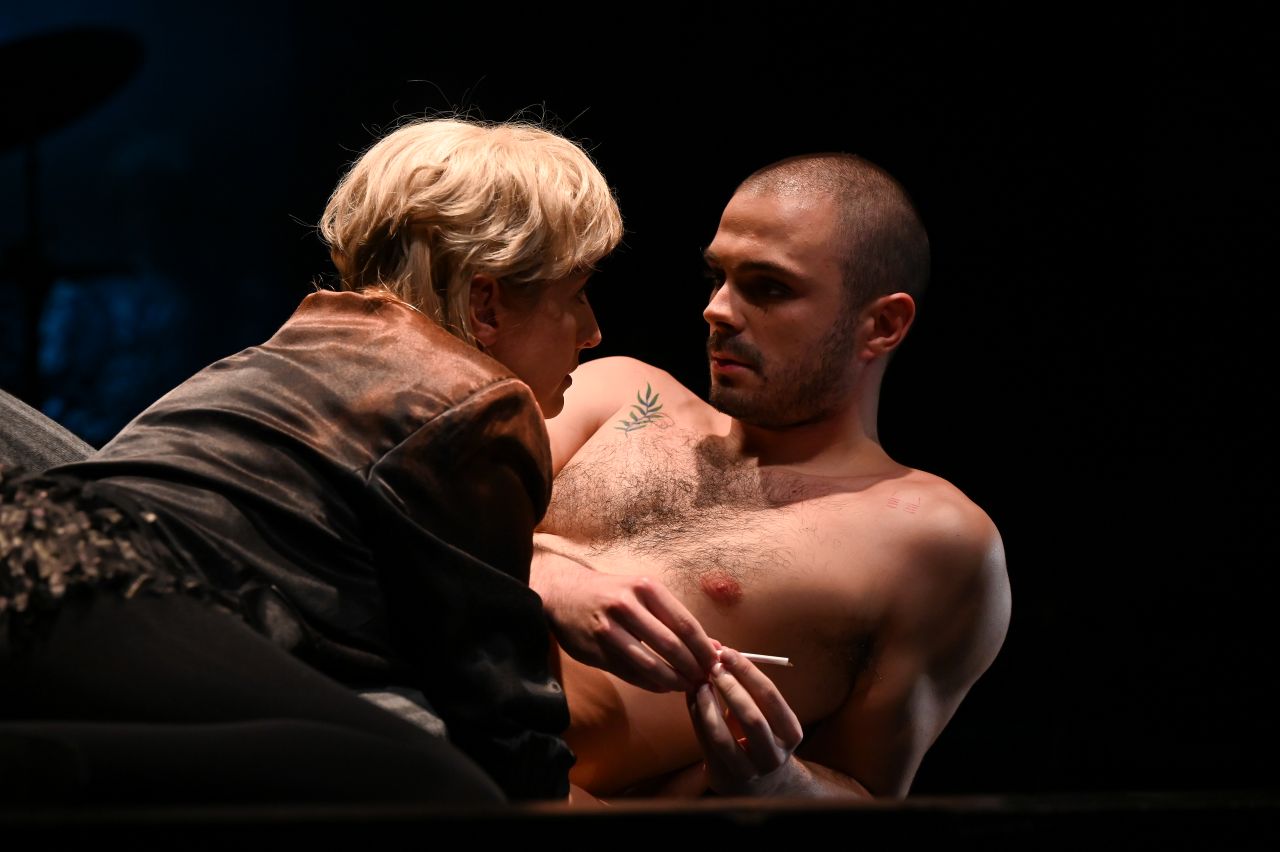
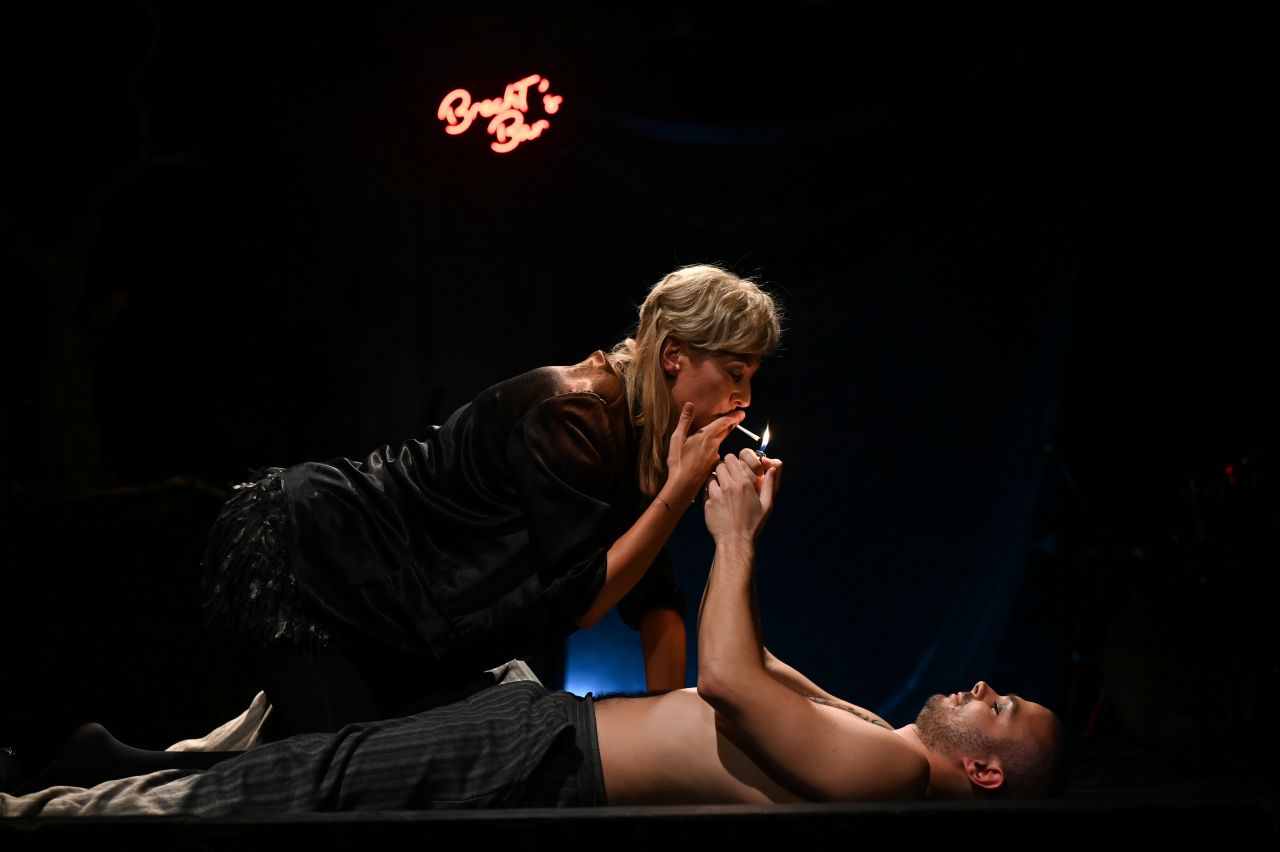
“BAAL” is Bertolt Brecht’s first play, written in 1918. Through the character of a young poet who rejects social norms...
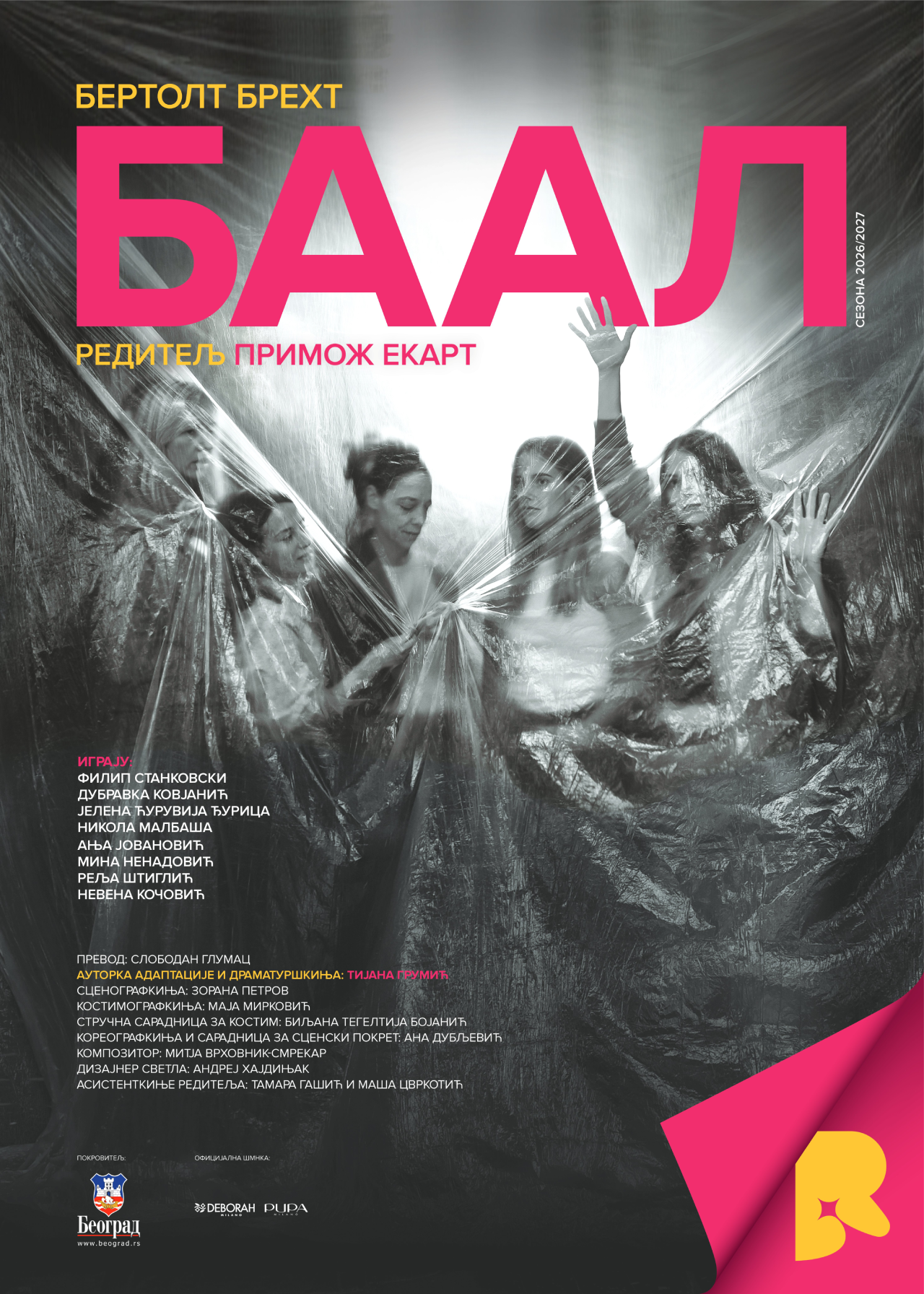
Read more- Author: Bertolt Brecht
- Translation: Slobodan Glumac
- Director: Primož Ekart
- Adaptation and Dramaturgy: Tijana Grumić
- Set Desig: Zorana Petrov
- Costume Designer: Maja Mirković
- Costume Consultant: Biljana Tegeltija Bojanić
- Choreographer and Movement Consultant: Ana Dubljević
- Composer: Mitja Vrhovnik-Smrekar
- Lighting Designer: Andrej Hajdinjak
- Assistant Directors: Tamara Gašić and Maša Cvrkotić
ABOUT THE AUTHORS
BERTOLT BRECHT, one of the most influential theatre practitioners and playwrights of the 20th century, was born in 1898 in Augsburg, Germany. After serving as a medical orderly during the First World War and being horrified by its consequences, he first moved to Munich and then to Berlin in pursuit of a career in theatre. This period of his life came to an end in 1933, when the Nazis came to power in Germany. Brecht fled Germany, and during this period the Nazis formally revoked his citizenship, leaving him stateless.
In 1941, Brecht settled in the United States, hoping to write for Hollywood, but in 1947, following questioning by the House Un-American Activities Committee over allegations that he was a communist, he returned to Europe. In East Berlin in 1949, together with his then-wife, actress Helene Weigel, he founded the theatre company Berliner Ensemble.
His literary output is truly extensive, and more has been written about him in German than about almost any other German writer of the first half of the 20th century. He wrote poetry and short stories, but is primarily known as a playwright—not only as the author of numerous plays, but also as the creator of epic theatre. The fundamental aim of epic theatre theory is to encourage the audience to engage in rational criticism and analysis, that is, to question everything presented on stage. He created in the hope that audiences would come to understand reality as a construct that can be changed, and through his theoretical and practical work he had a significant influence on the development of modern theatre.
The period of social upheaval in which Brecht lived gave a strong political dimension to his entire body of work.
Baal is his earliest play, written when he was just twenty years old.
PRIMOŽ EKART is an actor and theatre and film director. He graduated in acting from the Academy of Theatre, Radio, Film and Television (AGRFT) in Ljubljana. Alongside his work in institutional and independent theatre, film, radio and television productions, he was also extensively involved in street theatre and was a member of Theatre Ana Monro for almost two decades, from 1990 to 2010. With this collective, he was also a pioneer of improvisational theatre in Slovenia, and one of the co-founders of Improliga and the Ana Desetnica Street Theatre Festival.
In 2007, Ekart directed his first play, in which he also performed. Since then, he has focused primarily on directing. He has directed at institutional theatres while also founding the independent production company Imaginarni, with which he has co-produced and directed a considerable number of performances, some of which have received major awards. To date, he has directed at MGL, SNG Drama Ljubljana, SNG Nova Gorica, Ljubljana Puppet Theatre, Šentjakobsko gledališče, Mini Teater, Prešeren Theatre Kranj, SNG Drama Maribor, Mestno gledališče Ptuj and Cankarjev dom.
In 2013, he directed his first short fiction film, with which he completed his master’s degree in film directing at AGRFT. In addition to studying acting and film directing, he also trained at the Lee Strasberg Theatre Institute in New York and attended numerous local and international workshops led by renowned Slovenian and international artists.
He has received national and international awards for his work. The Story of the Tasty Corpse or How Roman Abramovich… or The Feast, directed by Ekart, received the Rudi Šeligo Award and the Audience Award at the Teden slovenske drame festival. At the Borštnikovo srečanje festival, the production received the Association of Theatre Critics and Theatrologists Award for Best Production of the 2011/2012 season. It was also included in the official programme of the prestigious international theatre festival Bitef. The production Europe, directed by Ekart, received the Marul Award for Artistic Achievement at the Marulićevi dani International Festival of the Best Plays by Croatian Authors in Split. The production Powerlessness, directed by Ekart and produced by Imaginarni, received the Grand Prix for Best Production at the Borštnikovo srečanje festival, as well as awards for Best Young Actor and Best Scenography at the 52nd Borštnikovo srečanje festival. Ekart received an award for directing the production Long Live the Vulva!, produced by Imaginarni and co-produced by Mini Teater, at the Days of Comedy festival in Celje. Since 2020, alongside his creative work, Ekart has also been engaged in teaching at SVŠGUGL in Ljubljana, where he teaches Acting.
TIJANA GRUMIĆ is a playwright and dramaturg. She graduated and received her master’s degree from the Department of Dramaturgy at the Faculty of Dramatic Arts in Belgrade. She is the author of several adaptations and more than ten original plays that have been performed in theatres throughout Serbia, as well as in Montenegro, Slovenia, Croatia, Georgia, Italy and Germany. Her plays have been translated into English, German, Italian, Russian, Polish, Slovenian, Georgian and Romanian, and published in domestic and international journals and anthologies. In addition to writing, she works actively as a dramaturg on projects at theatres throughout Serbia and the region. For her work to date, she has received numerous awards, including the “Borislav Mihajlović Mihiz” Award for Lifetime Achievement in Dramatic Writing, presented by the Serbian Reading Room in Irig, as well as the Special Sterija Award presented to the creative team of the production 52 Hertz at the 58th Sterijino pozorje. She is also the recipient of the Inspirational Playwright Award for 2024, one of three playwrights from around the world to receive the award, presented every three years by the Write Local Play Global network and the Executive Committee of the international ASSITEJ association. She is one of the founders of the regional platform Od malih nog(u), dedicated to the development and promotion of theatre for children and young people in the region. From 2023 to 2025, she was a co-selector of the Bitef Festival, and since 2025 she has been a member of the Executive Board of ASSITEJ Serbia. She is an assistant professor at the Department of Dramaturgy at the Faculty of Dramatic Arts in Belgrade. She writes for children and adults.
Role play

Baal
Filip Stankovski

Luisa, Woodcutter, Woman in a Man's World
Dubravka Kovjanić

Emilia, Woodcutter, Female Bar Guest, Woman in a Man's World
Јелена Ћурувија Ђурица

Johannes, Woodcutter, Male Bar Guest
Nikola Malbaša

Johanna, Woodcutter, Female Bar Guest, Woman in a Man's World
Anja Jovanović

Eckart, Woodcutter, Male Bar Guest
Relja Štiglić
Sofia, Woodcutter, Female Bar Guest, Woman in a Man's World
Nevena Kočović
Young Woman, Woodcutter, Female Bar Guest, One of the Sisters, Woman in a Man's World
Mina Nenadović
Props assistant on stage
Simonida Žakula

ABOUT THE PLAY
Baal was first performed on 8 December 1923 in Leipzig, directed by Alvin Kronacher. The play was performed before an unprecedentedly large and agitated audience: some accounts speak of “fierce displeasure,” while others describe “a battle-like din of whistles, shouts, protests and applause” which, like the whistles, was eventually drowned out by “a tumultuous, endless ovation.” For some critics, the play was “a youthful orgy”; for others, “a pubescent drama”; for still others, “a quagmire.” Yet all of them acknowledged Brecht’s “lyrical power” and “lyrical gifts,” while among the harsh judgments of the play there remained the lone voice of Herbert Ihering, a highly respected Berlin critic, who called Baal “a brilliant stage ballad.”
Immediately after the premiere, the city councillors harshly reprimanded the theatre management for putting the play on the repertoire and banned further performances of Baal “in order to avoid further scandal.” The chronicler of Leipziger Tageblatt pointed out that the play had ultimately received strong applause and asked whether the city fathers “might not devote themselves to more urgent matters than literary censorship, for which they — if one may say so — are not exactly responsible.”
The Leipzig scandal and the reprimand of the theatre management closed the doors of the theatre to Brecht’s first play for some time. In January 1926, this time together with his collaborator Elisabeth Hauptmann, the playwright returned to the play and produced a new, fourth version entitled The Life of the Man Baal. The premiere of the play in its new version took place, after four weeks of rehearsals, on 14 February 1926 in Berlin, at the Small Stage of Reinhardt’s Deutsches Theater, directed by Brecht, with set design by Caspar Neher, Oskar Homolka as Baal and Paul Bildt as Ekart. As in Leipzig, the premiere turned into a scandal.
A month later, the same version of Baal was performed in Vienna, with a prologue written by Hugo von Hofmannsthal, in which it is said that the “ominous events in Europe of which we have been witnesses during the past 12 years” (that is, from 1914 to 1926) in fact mean “the burial of the weary European individualist.” Apart from one further performance of a version of the play reduced from 23 scenes to only 12 (in Kassel, in the autumn of 1927), it can be said that Baal disappeared from the repertoire for a full three decades.
Work on Baal, however, was never completely abandoned. In his Work Journal, on 16 August 1938, Brecht asked himself: “When will I be able to begin The Adventures of the Bad Baal, the Asocial?” On 11 September of the same year, after having “flown through Baal because of the Collected Works,” he wrote: “It is a pity, it was always a torso, and then it was operated on several more times, for (two) book editions and for performance,” and wondered whether he should spend time on the task. Finally, while preparing the Collected Works for publication in 1954, in the text Reviewing My Early Plays, he wrote: “The play Baal may cause a multitude of difficulties for those who have not learned to think dialectically. They will hardly see anything in it other than a glorification of naked egoism. Yet here an ‘I’ confronts the demands and discouragements of a world that recognizes not the productivity that can be put to use, but only that which can be exploited. It is difficult to say how Baal would react to the exploitation of his talents: he defends himself against their corruption. Baal’s art of living shares the fate of all other arts in capitalism: it encounters hostility. He is asocial, but in an asocial society.” Noting that, twenty years after writing Baal, he had intended to write a text for an opera that would once again address the play’s central idea, Brecht added: “There is a little Chinese figurine, a finger long, carved from wood and thrown onto the market in thousands of pieces, representing a fat god of happiness who stretches out voluptuously. This god, coming from the East, should travel through the devastated cities after a great war and encourage people to fight for their personal happiness and well-being. He gathers young men of different kinds around him and comes into conflict with the authorities when some of these young men begin preaching that peasants should receive land, workers should take over factories, and the children of workers and peasants should attend schools. They arrest him and sentence him to death. And then the executioners test their skill on the little god of happiness. But the poison they give him pleases him; when they cut off his head, it immediately grows back; on the gallows he performs a dance whose cheerfulness seems contagious, etc., etc. It is impossible to completely kill a person’s desire for happiness.”
As for Baal, however — after restoring the first and last scenes to their original form — Brecht wrote in the same text: “I am leaving the play as it is, because I lack the strength to change it. I admit (and warn): the play lacks wisdom.”
Brecht, however, never saw his Baal on stage again. It reappeared before an audience a year after Brecht’s death: the English “dug it up.” After London, it was performed in Darmstadt, Vienna, once again in Oxford, in New York and Hamburg. Brecht’s American translator Eric Bentley wrote that with Baal Brecht “made tabulam rasam of the whole of contemporary drama and on the bare surface erected the primitive yet already powerful structure of his own drama. For better or worse, a new era in dramatic art dates from this play.”
(Excerpts from Slobodan Glumac’s foreword to “Four Brecht Plays”)
INSTEAD OF THE AUTHOR'S WORDS, A CONVERSATION BETWEEN THE AUTHORS

ON CROSSING BOUNDARIES
“I first saw an adult man’s penis when I was six years old. He was chasing us through the park; we managed to hide in the entrance of a building.”
“In fifth grade, my math teacher grabbed me hard by the hair and hissed through his teeth, ‘Drop dead!’, because my equation result was incorrect.”
“At twelve, I got my period and hid it terribly. I was afraid the boys would make fun of me.”
“My acting teacher. When I was sixteen, I ran away from him in a panic, sprinting out of some building in New Belgrade where he had brought me and my friend for an ‘extra lesson’. I was alone with him in pitch darkness. He was ‘teaching me’ how to dance the squeeze. I hated him, but I kept going to acting classes and told no one.”
“That Greek guy. I went to his place for a drink and so he could show me how he tattoos. He tore my shirt off in one motion, so I ran through the building entrances. That summer, some other Greek guy raped my friend on another island, and the police did nothing.”
“A male friend, at some party, slapped me so hard that I fell off my chair. He didn’t like the question I asked him.”
“In my forties, I fell madly in love again. With a woman. Madness. Intimacy at last! Orgasms, at last! In fact, she manipulated and controlled me, didn’t know how to communicate, let alone how to connect with her feelings, lied to me, cheated on me, was that worst kind of irresistible, patriarchal, avoidant, arrogant, narcissistic man who spits you out as soon as you let him know enough is enough, kicks you aside and immediately finds a new victim. She was more of a ‘man’ than all the men I had been with before.”
MANOSPHERE
The manosphere is a network of online forums, blogs, podcasts and other internet communities that promote extreme forms of masculinity, oppose feminism, and often spread hatred toward women. The manosphere is associated with online harassment, the radicalization of men in the context of misogynistic activity, and an increase in violence against women.
Manca Lipoglavšek, a Slovenian playwright, writer and theatre practitioner, conducted a kind of experiment/game in her work “The Manosphere Through the Ages”, in which cards contain examples of statements concerning women, gender and sexuality. The idea is for participants to identify which canonical philosophers, authors, thinkers and other public figures the statements belong to. Some of the statements used in the work can be read here:
“The relationship between man and woman is by nature a relationship between superior and subordinate, that is, ruler and ruled.”
Aristotle, ancient philosopher
“A man should be educated for war, and a woman for the rest of the warrior: everything else is madness.”
Friedrich Nietzsche, German philosopher
“It is not fitting for a woman to be brave or too intelligent.”
Aristotle, ancient philosopher
“The key to understanding women is the awareness that they are driven by emotions, not logic.”
Andrew Tate, self-proclaimed misogynist and manosphere influencer
“Women have no essence, women are not, women are nothing. If you are something, then you are a man, and if you are nothing, then you are a woman.”
Otto Weininger, Austrian philosopher, author of Sex and Character
“Women are manipulative by nature. They know how to use their appearance and charm to get what they want.”
Andrew Tate, self-proclaimed misogynist and manosphere influencer
“I don’t think it’s particularly wrong to hit a woman, although I don’t recommend doing it in the same way you would hit a man. An open-handed slap is better than a punch.”
Sean Connery, Scottish actor
“If rape is inevitable, just relax and enjoy it.”
Clayton Williams, former governor of Texas
“Women should be treated as people with little sense of justice.”
Sigmund Freud, Austrian psychoanalyst
“The fundamental deficiency of the female character is a lack of a sense of justice. This fundamental flaw causes lying, infidelity, betrayal, ingratitude, etc. Women are much more often guilty of fraud and perjury than men. It is questionable whether they should be allowed to take an oath at all.”
Arthur Schopenhauer, German philosopher
Gallery